
Selecting the Right Equipment
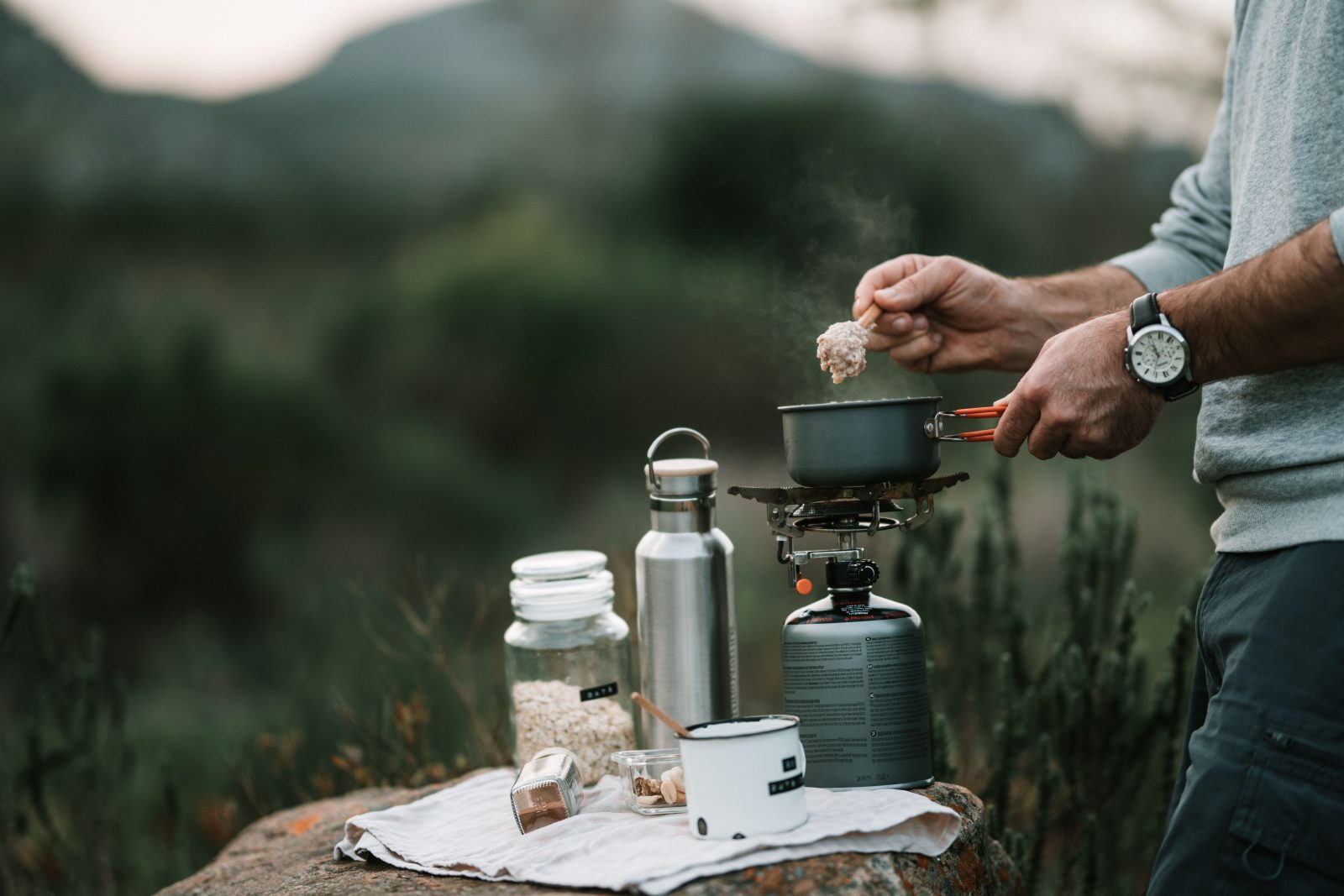
Starting with the right tools is essential for campfire cooking. Essential campfire gear includes a sturdy grill grate, cast iron skillet, dutch oven, and fireproof cooking utensils like tongs and spatulas. Cast iron is preferred for its durability and ability to retain an even cooking temperature. Lightweight, portable grills are also favorable for their ease of setup over a campfire.
Choosing and Preparing Your Campfire Spot
Safety is paramount when setting up your campfire cooking spot. Choose a location away from overhanging branches and clear a 10-foot diameter area of any foliage or flammable materials. Build or find a fire ring of rocks to contain your campfire, ensuring it won’t spread unexpectedly and monitoring environmental regulations in your campsite area about gathering natural firewood.
Fire Building Techniques
Understanding fire building is key to campfire cooking. Start with a base of small, dry twigs, adding larger sticks as the fire grows before placing your main logs on top. For cooking purposes, aim for a mix of flame and hot coals; flames are ideal for boiling, while hot coals provide a more even heat suited to grilling and frying.
Temperature and Heat Management
Controlling the heat of your campfire is crucial, especially when cooking different types of food. Use your campfire tools to move logs and coals around, creating areas of different temperatures for various cooking needs. For instance, set up a high-heat zone for boiling water and a medium-heat area for grilling meats.
Timing Your Cooking
When cooking over an open fire, timing matters. Start with foods that take the longest to cook, like stews or baked goods in a dutch oven. Meats should be added when you’ve got a steady bed of coals, and faster-cooking vegetables can go over the fire last. Keep a close eye on your food; campfire temperatures can be less predictable than standard kitchen ranges.
Using Foil Packets
Foil packets are a simple and versatile method for cooking over a campfire. Combine slices of meat, vegetables, and seasonings in aluminum foil, then seal the edges tightly. The resulting packet can be placed directly on the coals, cooking food in its own juices and creating a flavorful, moist result. This low-fuss approach also helps in managing portion sizes and variety.
Select Seasonings and Marinades
Pre-marinating meats and vegetables can enhance the flavor and reduce cooking time at camp. Use robust spices and herbs that complement the smoky flavors of campfire cooking, such as smoked paprika, cumin, and chili powder. Marinades that contain oil and acid, like lemon juice or vinegar, help in tenderizing meats and infusing flavors.
Implementing Campfire Safety
Always keep safety gear like gloves, fire extinguishers, and a bucket of water or sand nearby when cooking over a fire. Never leave a campfire unattended, and thoroughly extinguish your fire by dousing it with water and stirring the ashes until they are cold to the touch.
Respecting Campfire Ethics
Leave No Trace principles should guide your campfire cooking process. Use established fire rings or pits, and avoid using rocks that could be housing small wildlife or insects. Minimize campfire impacts by keeping fires small and using only fallen wood or charcoal rather than cutting branches from living trees.
Engaging in Continuous Learning and Adaptation
Each campfire cooking experience can provide valuable lessons. Take notes on what works well – the type of wood that burns best, the ideal setup for your gear, timing adjustments needed for different foods. Experimentation is a part of the adventure, and over time, you’ll refine your techniques to suit any campsite situation.
By mastering these essential tips for campfire cooking, you can ensure not only the enjoyment but also the safety and success of your culinary ventures in the wild. This way, campfire cooking becomes a celebrated part of your outdoor experiences, enriching your connection with nature and enhancing your camping traditions.