

Have you ever found yourself wondering what you would do if you got lost in the woods?
Imagine this: you’re on a hiking trip with your friends, enjoying nature, and suddenly you realize you’ve strayed from the path and don’t know how to get back. Sounds scary, right? But, don’t worry! Mastering essential wilderness survival skills can make the difference between feeling scared and staying safe while enjoying the great outdoors. Today I’ll walk you through some basic techniques that everyone should know before they head out into nature.
1. The Basics of Building a Shelter
One of the first things you should know about staying safe outdoors is how to build a shelter. Your shelter needs to keep you dry and protect you from the wind, which can make you feel much colder. To build a simple shelter:
- Find a large branch and lean it against a standing tree at an angle to create a backbone.
- Collect smaller branches and lean them on both sides of the large branch to form a frame.
- Cover the frame with leaves, grass, and if possible, a waterproof material to keep out rain.
2. Starting a Fire Safely
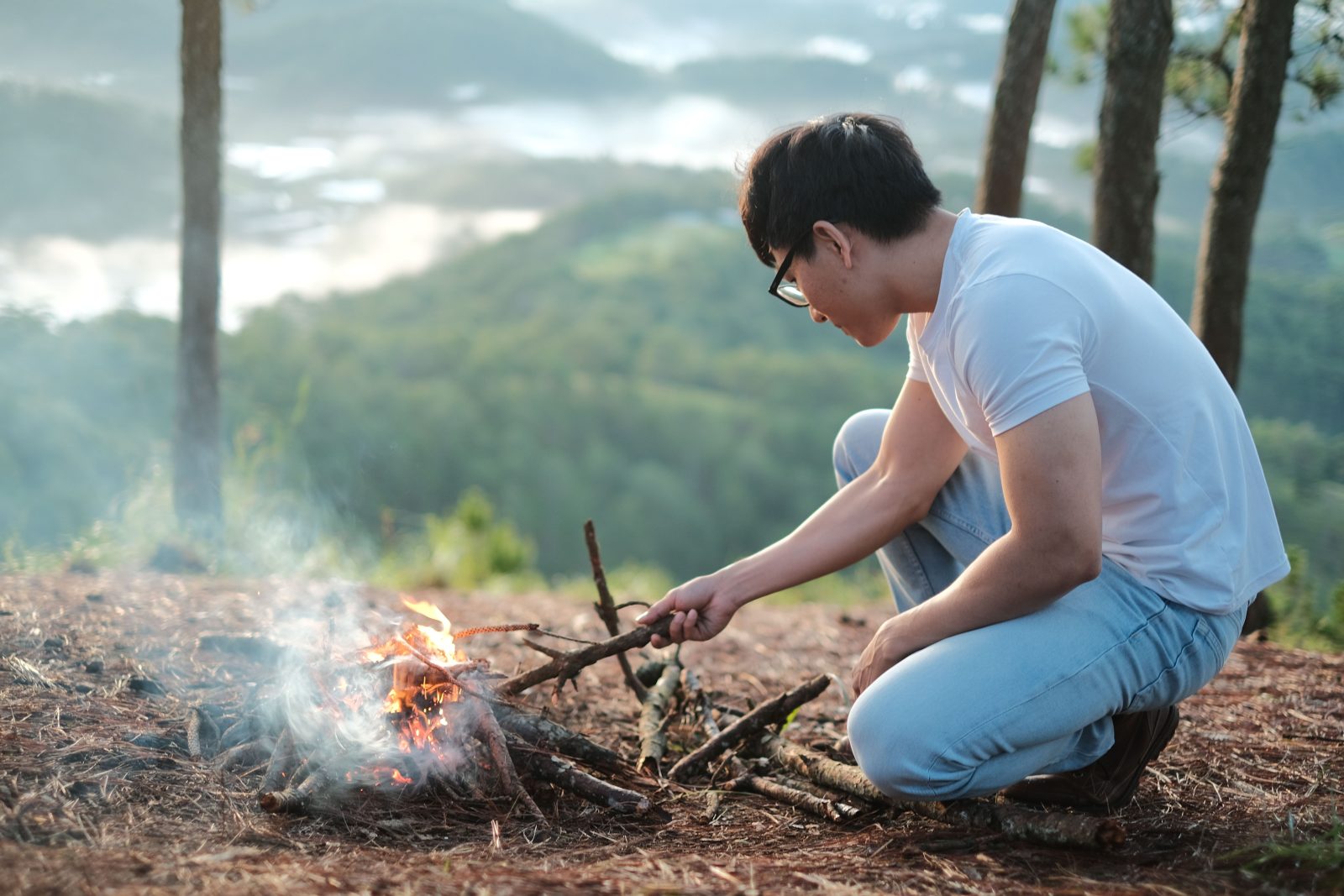
A fire is not only a great source of warmth but also a way to cook food and signal for help. Here’s how you can start one safely:
- Find a clear spot away from trees and bushes.
- Gather dry leaves, small twigs, and larger pieces of wood.
- Use a lighter, matches, or a spark from a flint to ignite the small twigs.
- Once the fire starts, slowly add larger pieces of wood to keep it going.
3. Finding and Purifying Water
Water is crucial for survival, but not all water in the wilderness is safe to drink. To find and make water safe:
- Look for running streams or rivers, which are generally cleaner than still water.
- Always purify the water by boiling it over your fire for at least a minute.
- If boiling is not an option, consider carrying water purification tablets on your trips.
4. Navigating Your Way Back
Getting lost can be one of the most challenging scenarios in the wilderness. To navigate your way:
- Use a map and a compass if you have them and know how to use them.
- Pay attention to the position of the sun. Remember, it rises in the east and sets in the west, which can help you determine directions.
- If you have a phone with GPS, save your battery for emergencies, and use it to help guide you back to a known path.
5. Signaling for Help
If you are lost and can’t find your way back, signaling for help is crucial:
- You can use a whistle if you have one. Three blasts are a universal signal for help.
- Make an SOS signal on the ground using rocks or logs.
- Use mirrors or any reflective items to signal using sunlight.
6. What to Carry in Your Survival Kit
Always be prepared with a basic survival kit. Some essentials include:
- A knife or multi-tool
- Waterproof matches or a lighter
- A whistle
- A compass and map of the area
- Water purification tablets
- A first-aid kit
Frequently Asked Questions:
Q: What is the most important skill in wilderness survival?
A: While all survival skills are essential, knowing how to find or purify water could be considered the most crucial because you need water to survive more quickly than food or even shelter.
Q: How can I practice these skills before an actual wilderness trip?
A: You can practice these skills on camping trips or even in your backyard. Try building different types of shelters or start a fire using twigs and leaves.
Q: Should I always go hiking or camping with someone?
A: It’s safer to have company, especially if you’re exploring unfamiliar areas. Having someone with you can make handling unexpected situations easier.
Conclusion:
Mastering essential wilderness survival skills: techniques for staying safe in the great outdoors isn’t just about being prepared; it’s also about enjoying the beauty of nature with confidence and peace of mind. Start by practicing these skills in controlled environments and always be prepared with the right tools and knowledge. Remember, the better prepared you are, the more fun and less stressful your outdoor adventures will be!